


When the Buses Reached the Lake
The girls didn't wait to be shown their rooms. The moment the buses pulled in at Mangochi, they left their luggage where it fell and ran straight for the water.
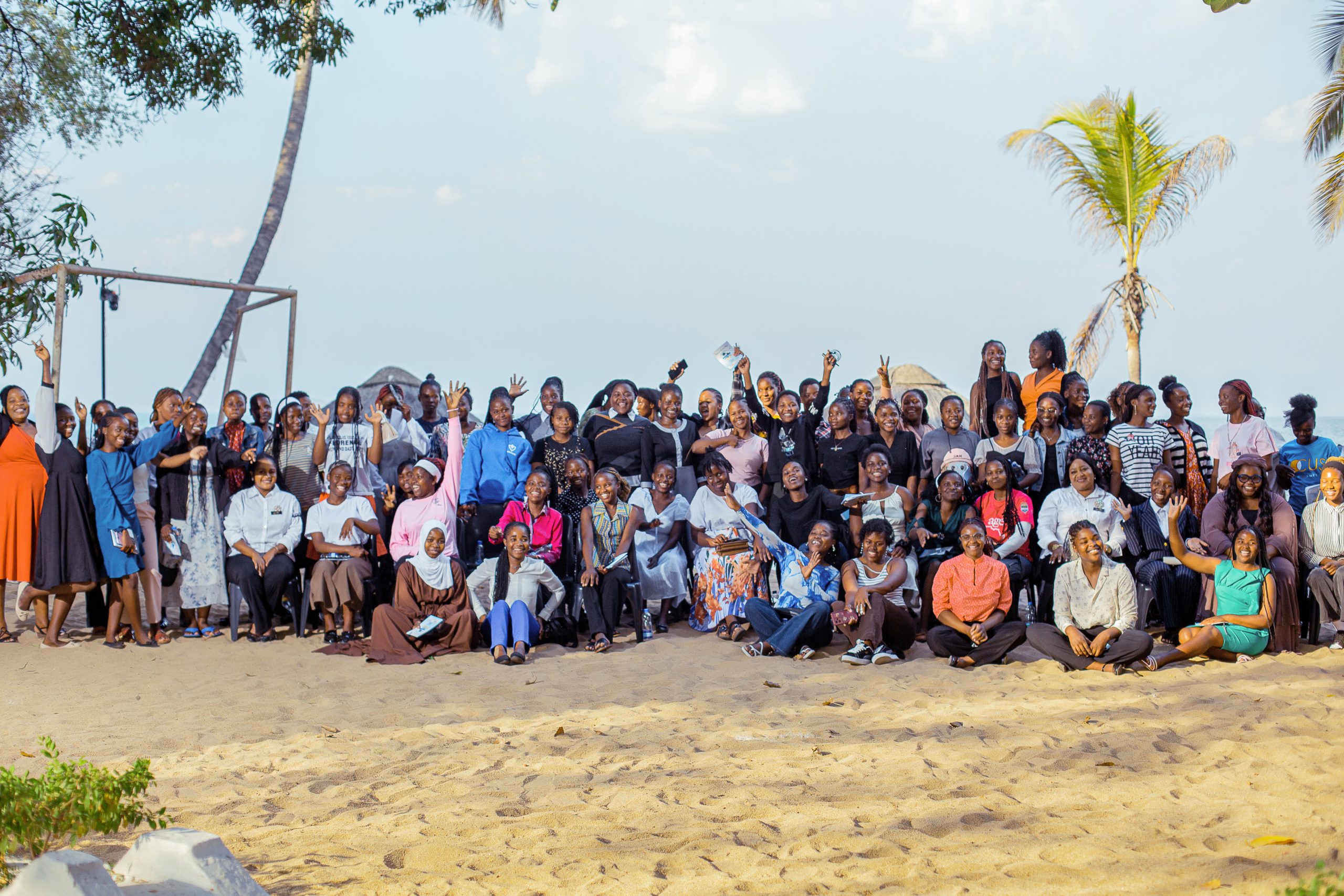
For most of them, it was the first time seeing Lake Malawi. For many, it was the first time leaving their home district at all; the first time in Blantyre, or Zomba, or Lilongwe. Eighty-eight scholars made it to the lake, some traveling from as far as Mzuzu.
This was AGE Africa's POSE retreat: two nights at the lake for our university scholars, built around one question: what does it take to succeed after the degree is in hand?
The answer, over two days, had less to do with grades than with everything grades don't measure.
Leading yourself first
Wongani Mulanga, one of the facilitators, opened by telling her own story: a rocky first year at university, a low GPA she climbed back from, the volunteering she did in the long waiting period between secondary school and university when there was nothing to do but build herself. She called it leading yourself before leading others, the idea that you don't wake up one day able to lead other people. You start by learning to lead yourself: purpose, character, the discipline to plan.
She'd been discovered, years earlier, reciting a poem she wrote on the spot about climate change at a public event. Someone asked where she was from. They offered to pay her fees. She has been building on that opening ever since — youth work in Mangochi, a national youth summit she'd just returned from, representing her whole district.
The power of showing up well
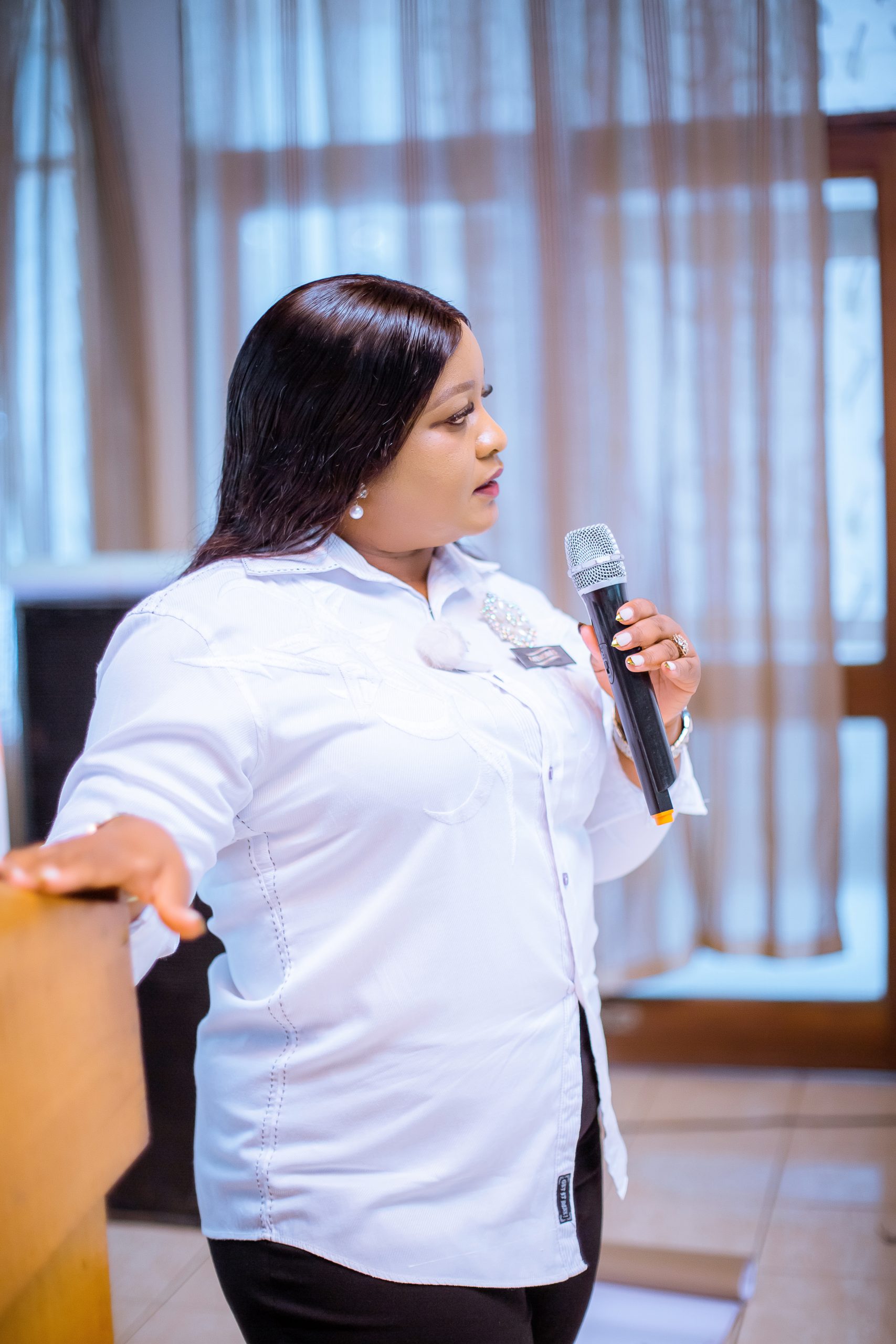
Memory Manjombe, who has trained government ministers and senior officials on protocol at the Office of the President and Cabinet, came to talk about professional presence: how you dress, how you speak, how you greet someone, how you follow up after you've exchanged numbers rather than letting the contact go cold. Networking, she told them, should go beyond emails: check on people, visit them, give before you ask.
She watched the scholars over meals and coached them in real time. She asked them to look at one another and decide who they'd hire, and why. They noticed more than you'd expect.
We sometimes call these soft skills. You can have all the smarts in the world, but if no one has ever taught you to stand up straight, shake a hand, and hold someone's eye, the job can still slip past you. Nobody is born knowing it. Somebody has to teach it — and once it's taught, it spreads.
The part we can't do alone
Retreats like this are how AGE Africa keeps walking with our scholars past the point where a lot of programs stop — into the years when a young woman is deciding what kind of professional, and what kind of leader, she's going to be.
The need outpaces us. There are young women who came up through our secondary-school programs (CHATS members among the sharpest in the room) who are ready for university and waiting on the funding to get there. We're working every angle to change that. Because the scholars aren't the proof of concept: they're already doing the work. Our job is to keep the door open long enough for them to walk through it.